Project
Red Panda

Summary
Project Red Panda began in 2017 during my undergraduate studies with a simple question: How does an animal survive and adapt in a world that is changing faster than ever before? This curiosity led me to the red panda and started a long-term journey to understand the connection between animal behaviour, forests, climate change, and people.
Red pandas live in the cool, misty forests of the Eastern Himalayas, where their survival depends on healthy habitats and peaceful coexistence with human communities. Through this project, I aim to understand not only how red pandas live, but also why they choose certain habitats, how they respond to environmental changes, and what their future may look like in a warming world.
My research focuses on both wild (in situ) and captive (ex situ) red panda populations. A major part of the project explores how climate change and increasing heat stress affect red panda behaviour, activity patterns, welfare, and habitat use. I am also interested in understanding what makes a forest suitable for red pandas. By studying forest structure, tree composition, canopy cover, and habitat complexity, I seek to identify the features that influence where red pandas occur and how they use their environment.
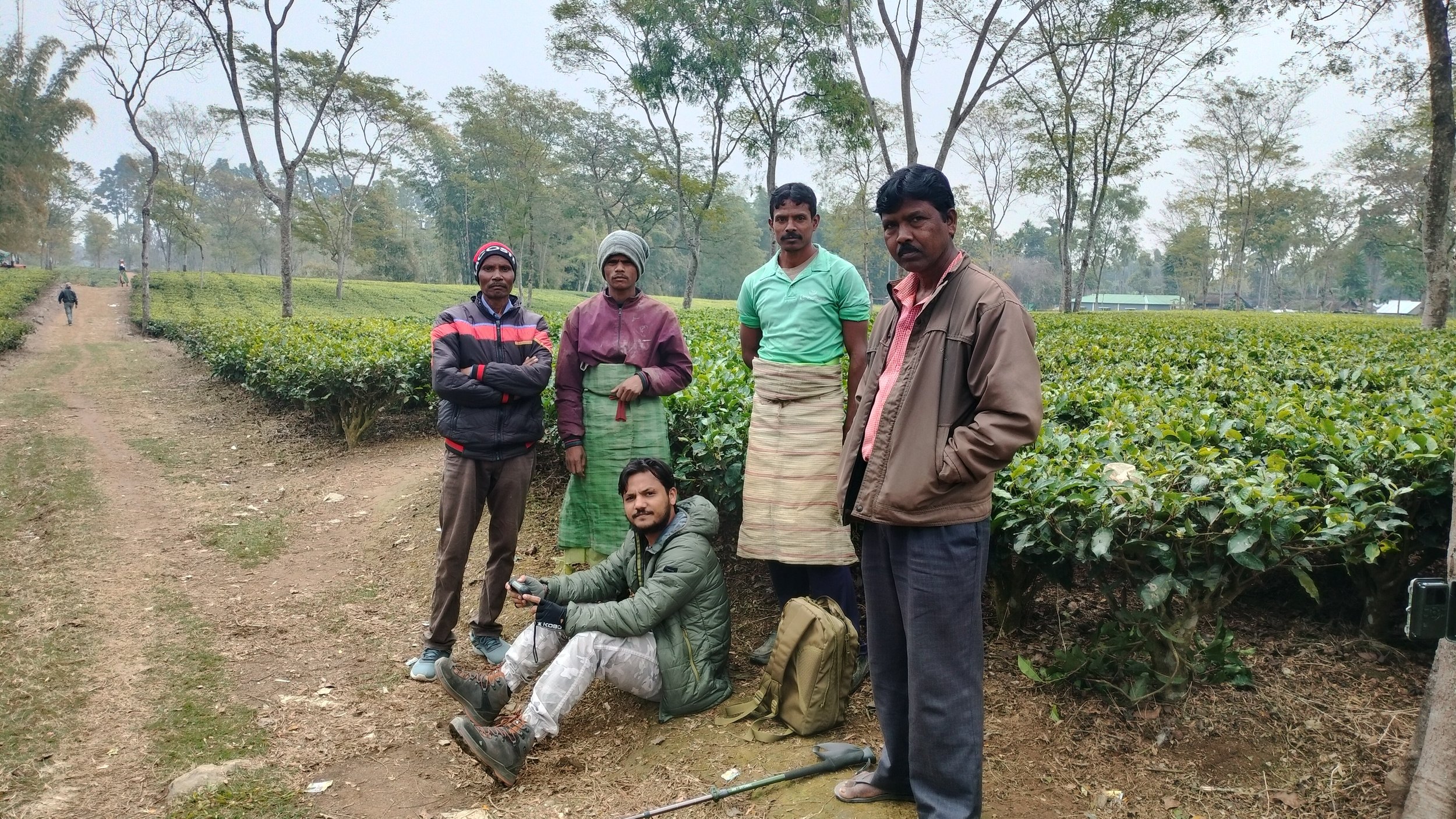
Another important goal of the project is to improve how red pandas are monitored in the rugged mountain landscapes of the Himalayas. Surveying wildlife in these remote forests is challenging, and reliable population estimates are often difficult to obtain. To address this, I am developing practical and scientifically robust monitoring methods that can be used for long-term conservation. At the same time, I work with local communities and train interested residents as citizen scientists, helping build community-led monitoring programmes that generate valuable data while strengthening local ownership of conservation efforts.
The vision of Project Red Panda extends beyond research. I hope to contribute to stronger conservation efforts in two of India's most important red panda landscapes, Singalila and Neora Valley National Parks. Ultimately, the goal is to support their recognition as dedicated Red Panda Conservation Reserves, helping attract greater protection, increased conservation funding, and sustainable livelihood opportunities for local communities.
At its heart, this project is also about people. Conservation is most successful when local communities are part of the process. I am interested in understanding how people across the landscape perceive red pandas, what cultural value the species holds, and whether traditional stories and local knowledge about red pandas still exist. By documenting and celebrating these connections, the project aims to support education and awareness programmes that inspire pride in local biodiversity and encourage future generations to participate in conservation.
Project Red Panda is driven by both curiosity and hope: curiosity about the hidden lives of one of the Himalayas' most iconic species, and hope that science, community participation, and local knowledge can work together to secure a future where red pandas continue to thrive in the forests they call home.

Ex-Situ Conservation and Welfare Research
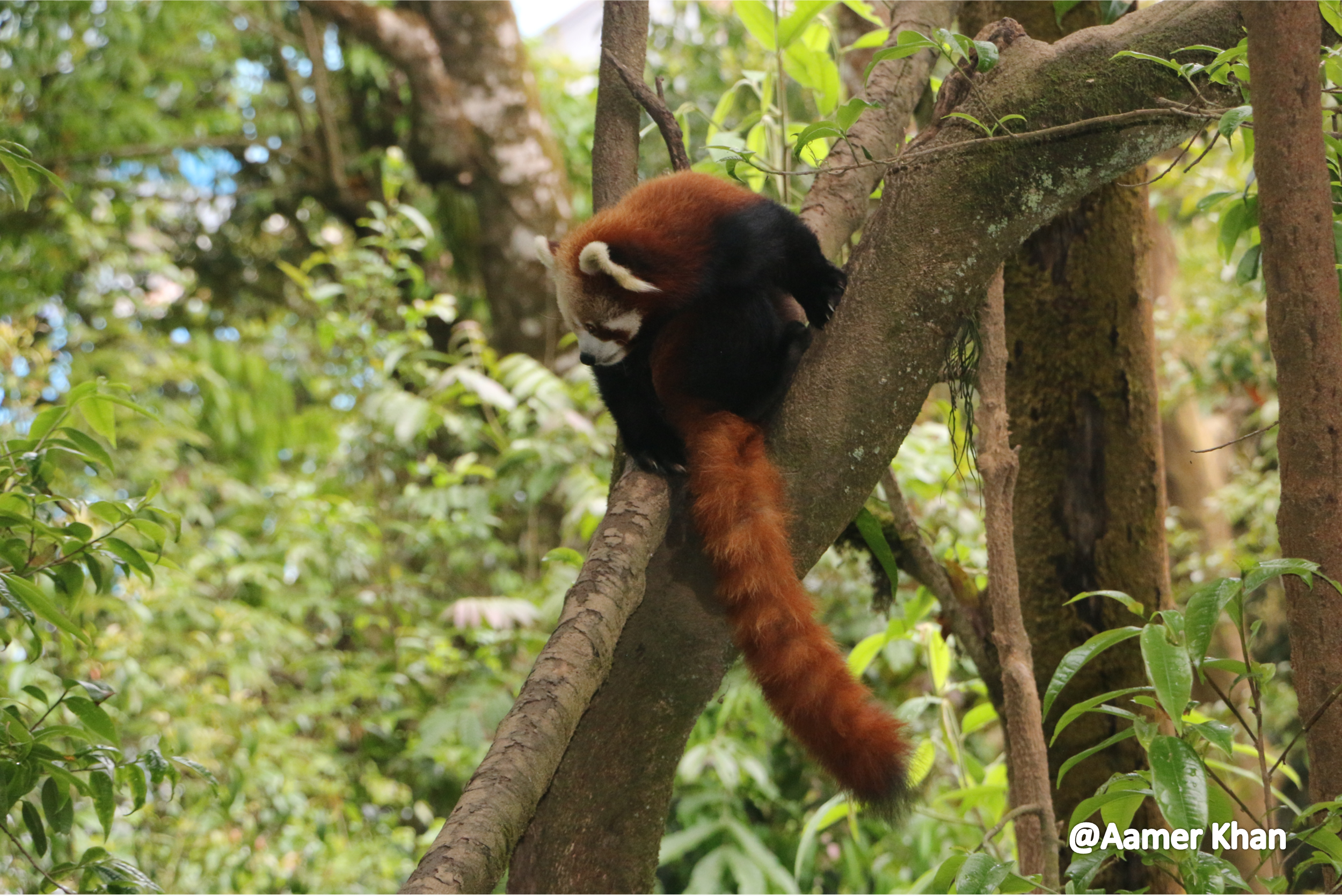
My ex-situ research focuses on understanding and improving the well-being of red pandas living in captivity. Modern zoos play an important role in red panda conservation by maintaining healthy assurance populations and supporting breeding programmes that can contribute to the long-term survival of the species in the wild. Since the early 1990s, India has been an active participant in the global red panda captive breeding programme, and several zoos, including Padmaja Naidu Himalayan Zoological Park (Darjeeling), Himalayan Zoological Park (Gangtok), and Pt. G.B. Pant High Altitude Zoo (Nainital), have contributed to these efforts.
A key focus of my research has been understanding how captive environments and management practices influence red panda welfare. To achieve this, I combine behavioural observations with non-invasive physiological monitoring through faecal sample analysis. This approach allows me to assess stress levels without disturbing the animals. By studying behaviour and stress hormone concentrations, particularly cortisol, I aim to better understand how red pandas respond to different environmental conditions, enclosure designs, visitor presence, weather conditions, and daily management routines.
My research has shown that certain environmental and management factors can influence the occurrence of stereotypic behaviours, repetitive behaviours that are often considered indicators of poor welfare. These same factors can also affect stress-related behaviours and cortisol levels. The findings highlight the importance of providing appropriate environmental enrichment and management interventions that encourage natural behaviours, reduce stress, and improve overall welfare. Such measures can help create captive environments that are more stimulating and better suited to the biological and behavioural needs of red pandas.
Another important aspect of my work relates to conservation breeding and population augmentation programmes. Red pandas born and raised in captivity may be selected for future release or reinforcement of wild populations. My research suggests that pre-release training is a critical step in preparing individuals for life in the wild. In particular, developing natural foraging skills, habitat exploration behaviour, and the ability to recognise and respond appropriately to potential threats can greatly improve an individual's chances of survival after release. Understanding these behaviours can help zoos design more effective training programmes for future conservation initiatives.
More recently, I have become interested in red panda communication. Although red pandas are often described as solitary animals, they use a range of vocal signals that remain poorly understood. Through behavioural observations and acoustic analyses, I am working to document and describe their vocal repertoire. By understanding when and why different vocalisations are produced, I hope to gain new insights into social interactions, mate choice, breeding behaviour, parent-offspring communication, and individual recognition. This knowledge may also contribute to improving captive management and breeding success.
Ultimately, this research aims to bridge animal welfare science and conservation. By understanding the behavioural and physiological needs of captive red pandas, we can improve their quality of life, enhance breeding outcomes, and better prepare individuals for conservation programmes that support the future of red pandas in the wild.

In-situ Research
Studying the wild population of red pandas presents unique challenges due to tough terrain, limited accessibility, and funding needs. To overcome these hurdles, I'm designing an efficient survey method that requires minimal logistics and is more budget-friendly. Additionally, I’m exploring the health of wild red pandas through non-invasive faecal sampling methods. We know little about the health of the wild population, and this pioneering study aims to fill that gap, enabling better management interventions to protect the species.
Education and Community Conservation
An essential aspect of the Red Panda project focuses on community conservation and raising awareness about these fascinating animals. We strive to build a community of citizen scientists who can assist in conducting ecological surveys, which helps reduce costs and logistics while promoting long-term monitoring of red pandas.
A key element of our project is creating engaging educational content. I am working on a comic book featuring Shifu, our central character, who lives in captivity and is trained for the re-introduction program. This delightful story will take readers on a journey into the incredible world of red pandas, highlighting their unique behaviours and emphasising the concept of captive breeding as a way of species conservation.